
Communication systems for senior living organizations have quietly and unassumingly done their job for years. Residents can reach staff, family members can stay in touch with loved ones, and critical emergency services remain connected.
The challenge is that many communities still rely on aging copper infrastructure and large numbers of analog devices. As providers continue retiring traditional analog networks, senior living organizations need a plan that addresses both critical line replacement and the broader modernization of their phone systems.
POTS replacement for senior living is an important part of that process, especially for fire alarms, elevator phones, security systems, and some fax lines. However, many retirement communities also need an analog step-down strategy that allows existing analog phones to operate through a modern VoIP system.
Together, these approaches create a hybrid phone system that protects critical communications, extends the life of existing equipment, and helps communities modernize without replacing everything at once.
Why Copper Retirement Matters
Many retirement communities still depend on a landline phone, landline service, or traditional home phone service technology for systems that were installed years ago.
These often include:
- Fire alarms
- Elevator phones
- Security systems
- Nurse call systems
- Administrative office phones
- Resident room phones
- Access control systems
- Fax machines
As carriers retire copper infrastructure, maintaining every phone line becomes more difficult and expensive, especially for facilities operating on a fixed income. Planning early allows communities to move away from a typical landline approach before service interruptions occur.
However, not every analog device needs the same replacement strategy. Critical fire, elevator, security, and fax lines may require a dedicated POTS replacement solution, while resident and administrative phones may be able to remain in place through an analog step-down approach.
POTS Replacement and Analog Step-Down Solve Different Problems
POTS replacement for senior living and analog step-down are both part of a broader modernization plan, but they serve different purposes.
POTS replacement is generally used for dedicated systems that once depended on traditional copper lines, like fire alarm panels, elevator emergency phones, security equipment, and certain fax connections. These systems may have specific power, monitoring, redundancy, or regulatory requirements that must be evaluated individually.
Analog step-down focuses on preserving existing analog phones while moving the underlying phone service to VoIP.
Using an Analog Telephone Adapter, or ATA gateway, the system converts analog signals into internet-based VoIP streams. High-density FXS gateways, such as a 24-port gateway, can connect multiple analog phones to a modern SIP or VoIP platform.
This allows retirement communities to continue using familiar resident room phones, common-area phones, or other compatible analog devices without maintaining aging copper service for every line.
The result is a hybrid VoIP and analog phone system that combines:
- POTS replacement for critical or specialized lines
- ATA gateways for compatible analog phones
- VoIP phones and applications for staff who need modern features
- Centralized call routing, reporting, and system management
For residents, the experience may remain largely unchanged. They can continue using the same familiar phone while the communication is carried over a modern VoIP network behind the scenes.
Your Phone System Does More Than Make Calls
A modern retirement community phone system isn't simply about replacing a home phone or adding a new VoIP phone.
It's about supporting reliable communication throughout the community.
An effective senior living phone system helps staff:
- Answer calls quickly
- Forward calls to the right caregiver
- Allow residents to receive calls from loved ones
- Improve staff productivity
- Increase staff efficiency
- Reduce response times
- Support better operational efficiency
Many communities are surprised to learn they can keep their existing workflows while adding modern features that make everyday communication easier.
Not Every System Needs to Change Overnight
One of the biggest misconceptions about modernization is that every device has to be replaced.
In reality, the same process looks different for every organization.
Some communities begin with fire alarm phone line replacement or elevator emergency lines. Others use ATA gateways to connect existing resident phones to a VoIP phone system while gradually replacing equipment in administrative offices or renovated areas.
A phased migration helps organizations:
- Protect critical emergency communications
- Preserve existing analog phones where appropriate
- Maintain an existing home phone number when possible
- Upgrade one building or system at a time
- Avoid unnecessary upfront cost
- Continue serving residents without disruption
- Introduce modern features where they provide the most value
The goal is finding the right combination of POTS replacement, analog step-down, and VoIP technology, not replacing equipment that still serves a purpose.
The right system also helps organizations comply with Kari's Law, which requires direct access to emergency services, and Ray Baum's Act, which mandates location information for emergency calls. Non-compliance can result in fines up to $10,000,Three-way and facilities can face daily fines of $500 for ongoing non-compliance.
Building an Emergency Communication Strategy
Communication reliability matters every day, but it's even more important during emergency situations.
A dependable emergency communication system for senior living helps staff coordinate with emergency responders, communicate across departments, and continue serving residents during unexpected events.
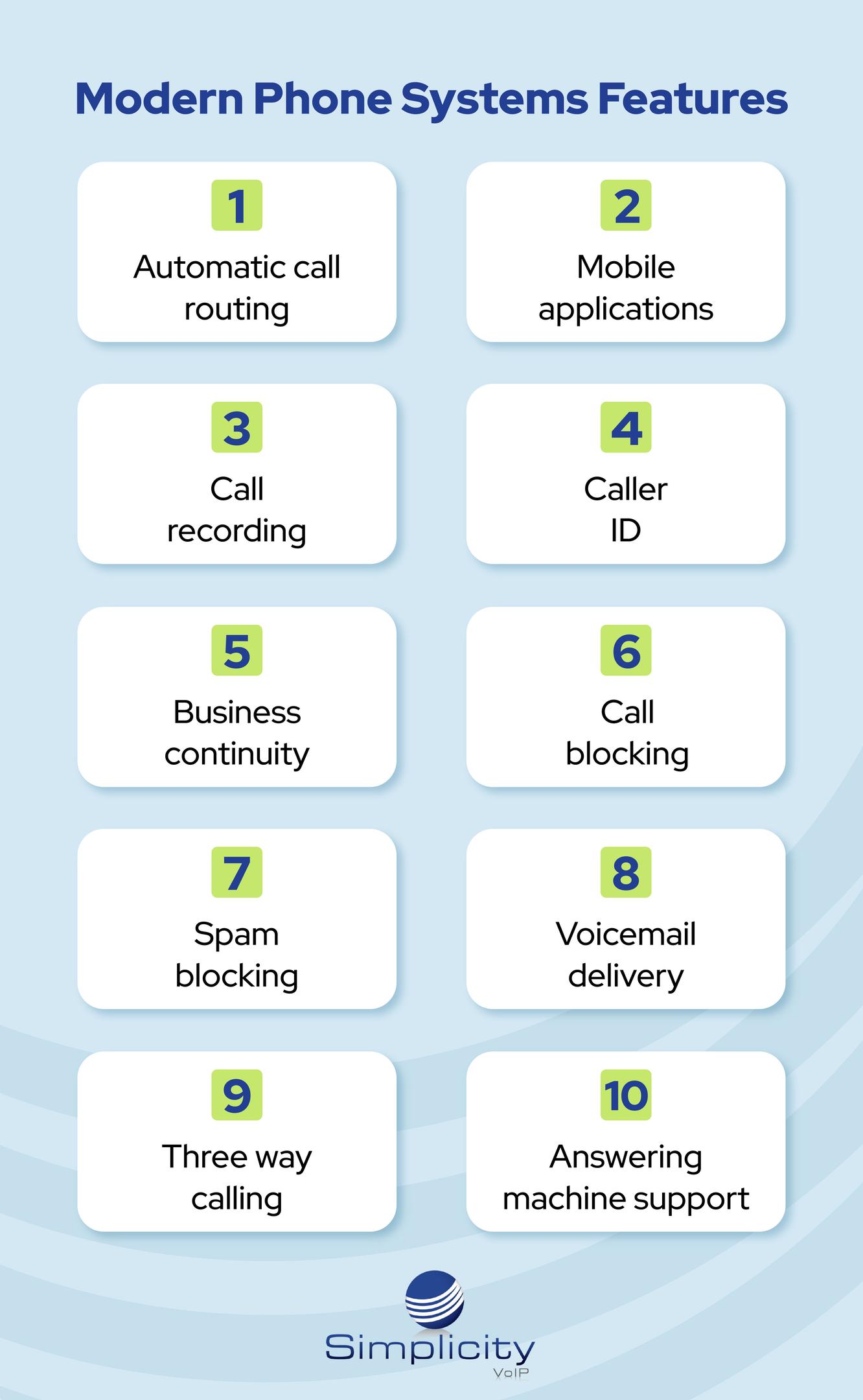
Modern systems can include:
|
|
These essential features improve efficient communication without changing how residents dial numbers and interact with staff.
Why Connectivity Matters
A hybrid communications system relies on more than a traditional telephone line.
Reliable internet service, strong internet connectivity, local network equipment, and backup power all play important roles in today’s communication environment.
VoIP uses Internet Protocol technology and an internet connection to carry voice traffic across the network. When analog phones are connected through an ATA or FXS gateway, the device converts the analog signal into a VoIP stream before the call is routed through the phone system.
A professionally designed VoIP service delivers excellent sound quality, dependable phone service, and the flexibility to connect desk phones, mobile phones, and multiple devices under one system.
Many organizations also add redundant internet access and backup battery solutions with wireless data capabilities to help maintain communication during outages.
Supporting Staff and Residents
The right communications platform benefits everyone.
Staff gain the additional features needed to communicate more efficiently, while residents enjoy a familiar experience that makes it easier to stay connected with family.
Depending on the community's needs, a modern platform may include:
- Unlimited calls
- Unlimited texting
- Softphones for caregivers
- Mobile applications
- Secure messaging
- Flexible phone number management
- Better reporting
- Integration with care data
These modern features support smoother operations at the best value while giving administrators the visibility needed for data-driven decisions.
Choosing the Right Partner
Every community has different infrastructure, budgets, equipment, and priorities.
Some still operate dozens or hundreds of analog lines. Others already have a partial VoIP deployment but need a more practical way to connect resident phones, modernize life-safety systems, or phase out costly copper service.
A trusted technology partner should work directly with your team to inventory existing lines and devices, identify critical dependencies, and determine which systems require POTS replacement and which can transition through analog step-down.
That process may include evaluating:
- Fire and elevator lines
- Security and access systems
- Fax connections
- Resident room phones
- Administrative phones
- ATA and FXS gateway requirements
- Network capacity
- Backup power
- Internet redundancy
- Emergency calling and location requirements
The right plan should support future growth while providing ongoing support long after implementation.
How Simplicity VoIP Helps
At Simplicity VoIP, we understand that retirement communities can't afford unnecessary disruption.
We help organizations evaluate aging analog infrastructure, identify where POTS replacement for senior living is needed, and determine where analog step-down can preserve existing phones through ATA and FXS gateway technology.
That may include dedicated replacement solutions for fire, elevator, security, or fax lines, along with a hybrid VoIP and analog phone system for resident rooms, common areas, and administrative teams.
Whether you're upgrading your senior living phone system, planning an emergency communication system for senior living, or preparing for fire alarm phone line replacement, our team develops practical migration plans that improve reliability without forcing you to replace everything overnight. Ready to Modernize?

Waiting until a legacy phone line fails limits your options.
Planning now gives your community time to inventory existing systems, separate critical POTS lines from general analog phones, and create a phased modernization roadmap.
With the right combination of POTS replacement, analog step-down, ATA gateways, and VoIP technology, your retirement community can protect critical communications while continuing to use equipment that still serves residents and staff well.
Schedule a POTS assessment with Simplicity VoIP and learn how your community can build a practical hybrid phone system for the future.
Frequently Asked Questions
What is POTS replacement for senior living?
POTS replacement for senior living is the process of replacing aging copper telephone lines used by systems such as fire alarms, elevator phones, security equipment, and certain fax machines with modern connectivity designed to maintain reliable service.
What is analog step-down?
Analog step-down allows existing analog phones to connect to a modern VoIP phone system through an Analog Telephone Adapter or FXS gateway. The gateway converts the analog signal into an internet-based VoIP stream, allowing communities to preserve compatible phones while moving away from copper service.
Does a senior living phone system require replacing every phone?
No. Many communities can use a hybrid approach that combines POTS replacement for critical lines, ATA gateways for existing analog phones, and VoIP devices for staff who need more advanced features.
Why is fire alarm phone line replacement important?
Many fire alarm panels still rely on analog telephone lines. Planning fire alarm phone line replacement before carriers discontinue those services helps avoid unexpected interruptions.
Why choose VoIP instead of traditional phone service?
Modern VoIP phone and VoIP service solutions provide reliable phone service, improved flexibility, easier management, and valuable communication tools that support staff, residents, and emergency preparedness.
Will residents notice a difference?
In most cases, residents continue using the phones much as they always have. Behind the scenes, staff gain improved reliability, simplified management, and modern communication capabilities that enhance daily operations.